
“It’s been a blue, blue-blue – blue Christmasss…”
Sung that little Rock n’ Roll singer, Elvis Presley, in Hollywood in 1957. A staple of festive sound, it centres on the idea of unrequited love – and how that leads to a lonely, and therefore, ‘Blue’ Christmas.
But what does that catch-all term mean?
A ‘Blue Christmas’ can mean a variety of things and it can mean only one. It can be a result of drinking, sleep (or lack of), pressures of social events, a lack of vitamin D, loneliness, and finding extra funds for gifts.
Most of the time – it’s all of them.
So, let’s go deep into that frost blue grotto – and see what we find.
Why does Blue, mean Blue?
Let’s start at the colour blue – why does it mean sadness? Depressed? or ‘feeling down’?
Well, that’s not as easy as you might think.
‘Feeling blue’ seems to derive from many things, here’s a short list:
- It dates from Geoffrey Chaucer’s writing of the 1300’s
- Blue in the 1800’s referred to the medical condition of a person and meant [they] are at the last stage before passing away
- Refers to rain and storms from Greek mythology
I know, clear as a cloudless sky.
However, there are reasons, proven by our old friend science, that contribute to ‘feeling blue’ – and these are amplified during the festive period.
Here are some of them.
Alcohol
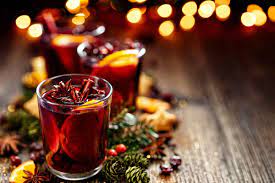
Alcohol is a depressant and drinking a lot of it results in hangovers that seem to suck out your Christmas spirit (more answers to life’s unanswered questions are below…)
Ok, a tad dramatic, but alcohol is proven to cause anxiety, depression and increased levels of stress. And at this time of year, every mince-pie is dipped in brandy cream; each small glass of lemonade topped with egg-liqueur; and every hello begins with ‘what do you want to drink?’.
And, despite what some may think, alcohol affects our ability to sleep – and to sleep well.
Sleep (or lack of)

If you’re anything like me – then you know a solid, unbroken eight hours of sleep gives you a good chance of a great day. But after a night out until 12:00 feasting on festive goodies and drinking your mattress’ weight in whiskey –
All whilst waking at 06:00 for another day of work – means your body hasn’t had the required amount of sleep to regulate your mood.
Add to the mix that alcohol breaks your sleep cycle – and sedates the consciousness. You may think you’re sleeping through, but you’re probably waking periodically through the shortened amount of time you’re given yourself to sleep.
But don’t take my word for it – Listen to neuroscientist Matt Walker, the author of ‘Why We Sleep’, in this video.
So, with your heavy drinking and low sleeping on the board, the next day is a working one followed by the celebrated work Christmas-Do. How will you summon the energy, I hear you cry?
Well, that’s a very good question.
Social Events

The Christmas meal; the Christmas-do; the Christmas get-together – all planned within an inch of your spare time to take over your December like a flaming pudding takes over from oxygen.
Plans are often made in October and there can be so many you don’t even have time to swing a Christmas tree. But the pressure of appearing, summoning the energy; often being in two places at once (#FOMO) can lead to increased levels of stress, as well as sleep and energy deprivation.
Also, we tend to do the unusual thing of meeting with family, friends, colleagues, that throughout the rest of the year, cause our stress levels to rise. If you don’t get along for the rest of the year, the chances are unlikely that during a period filled with excessive amounts of booze, food, loss of sleep, mood and energy, that you will start on the right foot (so maybe don’t invite that uncle to a drink that grates on even your best day).
Where’s the Sun?

It’s winter. It’s cold. It’s probably raining. And you’re definitely going to work in the dark and returning when it’s even darker. Humans need vitamin D. Fact.
The main source for us homo-sapiens is that big flaming bauble, the Sun.
Studies suggest that a lack of vitamin D can lead to depression, or heighten in those already experiencing it, in us humans. With the winter months decreasing the amount of sun as well as the strength of those UV rays – we must rely on food and supplements to bridge the gap.
Those foods include:
- oily fish
- red meat
- liver
- egg yolks
- fortified foods – such as some fat spreads and fortified cereals
I suppose it’s time to bulk-up that plate with some egg-covered liver.
Loneliness

This one goes back to those crooned lyrics of the king. Some of us aren’t so lucky to have a swath of social events planned at the festive period. Or might do, but the relationship with the people hosting those social events is rocky at best (see ‘Social Events’).
Humans are social creatures and need interaction with other humans to activate, and increase, the good chemicals in the brain. These chemicals, called oxytocin and dopamine, flood our brain with feelings of reward and love. And they are stimulated by interacting with others.
Sitting at home alone, whilst knowing there are events going on around you only amplifies that feeling of loneliness, and potentially, depression. So, here’s some tips to help move past that.
How much?!

We’ve made it to last on the list. We’ve checked it twice – and it’s time for gifts.
How do we afford that, I once again hear you cry?
Well, that is another very good question.
Being unable to afford gifts for family and friends, whilst others in your social circle are able, can cause guilt and/or anxiety. In London, the expected average amount, per head, for Christmas, is £1,746. A considerable amount after the monthly expenses of rent, food, bills etc. With those amounts in mind, it’s easy to see how households are unable to afford the extra expense that Christmas carries.
In short, a ‘Blue Christmas’ can be caused by any, or all, of the above. It’s likely you will experience it during December. So, if you do, be sure to reach out to friends, family or colleagues that can help.
As they’re probably in the same tinsel trimmed boat as you.
Merry Christmas everyone!
By Mitchell Wood @ mitchellwood@hotmail.co.uk
The Blog: 20-2-22
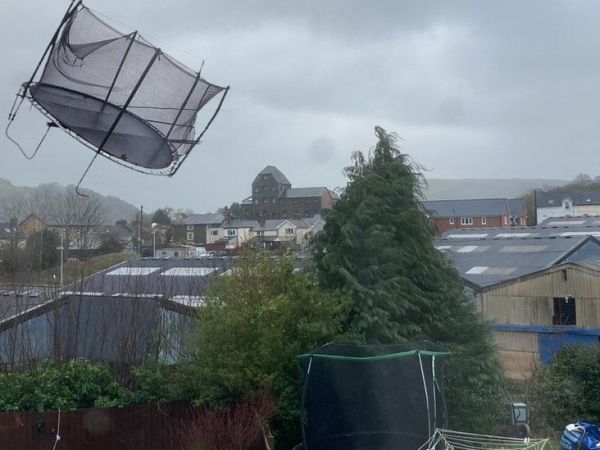
Eunice is having a right. So, take shelter; snuggle under that blanket; and read this week’s eloquent edition of The Blog.

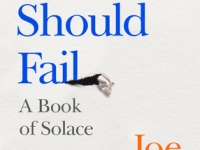
“If You Should Fail: A Book of Solace”, Joe Moran. Why We All Are Failures.
Cheery excerpt alert:
We’re all failures. But, not in the way you might think.
Something went wrong. Please refresh the page and/or try again.
For weekly content straight into your inbox, click follow
 Content with Mitch
Leave a comment